Top Poker Sites
  Best Online Sports Betting Sites
  Claim the Best Online Gambling Bonuses
  The Best Slots Games to Play Online
  Reviews of Online Gambling Sites
 States Where Online Gambling Is Legal (2026)



Affiliate Disclosure: Some links on Gambling Nerd are affiliate links. If you use them to sign up or deposit, we may earn a commission at no extra cost to you. These rewards help fund new guides, but they never influence our verdicts. Our recommendations are based on independent research and our own ranking system.
Online gambling law in the US isn’t one law, it’s 50-plus separate ones, and “legal” means something different in each state. As of July 2026, 39 states plus D.C. and Puerto Rico allow some form of legal sports betting, but only 8 states allow real-money online casino games, and even that number includes Maine, where the law has passed but no platform has actually launched yet.
This guide breaks down exactly what’s legal, live, retail-only, or tribal-only in every state, not just whether gambling is allowed, but what kind, through which regulator, and since when.
Below, you’ll find the specific statute, regulator, launch date, and key restriction behind every state that allows online casino play, plus a full state-by-state table for sports betting.
What “Legal” Actually Means Here
“Legal” isn’t one thing. On this page it can mean any of the following, and mixing them up is where most confusion happens:
- Authorized by law, live today — the state passed legislation and licensed operators are actively taking bets or wagers right now (e.g. New Jersey online casinos).
- Authorized by law, not yet launched — the legislation passed and takes effect, but no operator has gone live. Maine is the current example: its iGaming law takes effect July 29, 2026, but platforms aren’t expected to launch until late 2026 or early 2027.
- Retail-only — legal, but only at a physical location (a casino floor or sportsbook window), with no mobile or online option.
- Tribal-only — legal exclusively through tribal gaming compacts, which may operate under different rules than commercial state licensing.
- Legal but restricted — permitted with real limits, excluded bet types, in-state-only mobile access, or a single-operator monopoly (Rhode Island’s Bally’s exclusive, Delaware’s single-operator model).
Every state section and table below specifies which of these applies. Where a claim can’t be confirmed against a primary source (a state statute or official regulator page), it’s flagged rather than stated as settled.
Methodology
Legal status for each state was checked against the state’s own statute text or official gaming regulator/commission page, not third-party aggregator sites, as of July 2026. Where a bill has passed but isn’t yet in effect, or a law is in effect but no operator has launched, that distinction is called out explicitly using the categories above. This page will need a re-check anytime a state passes new legislation, since several states (Missouri, Maine) have changed status within the last 12 months.
States Where Gambling Is Legal
The US gambling scene is complicated. Some states welcome betting with open arms, while others barely allow a lottery ticket. Right now, the majority of states permit some form of gambling, whether it’s tribal casinos, state-run lotteries, or sportsbooks.
A few, like Utah and Hawaii, are firm holdouts, banning nearly every kind of wagering. In between, there’s a mix of legal gray areas, local-only rules, and rapidly changing laws.
To help make sense of it all, here’s a quick overview of where different types of gambling are currently legal.
| Type of Gambling | List of States |
|---|---|
| Online Casinos | New Jersey, Pennsylvania, Michigan, Delaware, West Virginia, Connecticut, Rhode Island, Maine (law in effect July 29, 2026) |
| Online Sports Betting | Arizona, Arkansas, Colorado, Connecticut, Illinois, Indiana, Iowa, Kansas, Kentucky, Louisiana, Maine, Maryland, Massachusetts, Michigan, Missouri, New Hampshire, New Jersey, New York, North Carolina, Ohio, Oregon, Pennsylvania, Rhode Island, Tennessee (mobile-only), Vermont (mobile-only), Virginia, Washington D.C., West Virginia, Wyoming (mobile-only), Florida (Seminole Tribe only) |
| Land-Based Sports Betting | All of the above, except: Tennessee, Vermont, Wyoming, Oregon, New Hampshire, Florida. Plus: Mississippi, Montana, Nevada, New Mexico (tribal-only), North Dakota (tribal-only), and South Dakota |
| Land-Based Casinos (Commercial or Tribal) | All, except Hawaii, Utah, Tennessee, Georgia, Kentucky, South Carolina, and Vermont |
| State Lottery | All, except Alabama, Alaska, Hawaii, Nevada, and Utah. |
States Where Online Gambling Is Legal: Deep Dive
Online casino gambling is legal in only 7 states. While sports betting exploded across the US after the 2018 repeal of the Professional and Amateur Sports Protection Act (PASPA), online slots and table games have seen slower adoption nationwide.
Regulatory red tape, lobbying pressure, and concerns around addiction and taxation have kept many states from fully jumping in. Still, the states that have legalized online casinos are seeing serious revenue, and each is regulated by a dedicated state agency (listed per state below) that licenses operators and audits game fairness.
New Jersey
- Launch Date: November 2013
- Regulator: Division of Gaming Enforcement (DGE)
- Legal Games: Online slots, table games, poker
- Operators: Licensed platforms tied to Atlantic City casinos (BetMGM, Caesars, and others)
- Age Requirement: 21+
- Location Requirement: Player must be physically located in New Jersey; servers must be located in Atlantic City
- Key Limitation: None significant, the most permissive iGaming market in the US
- Source: N.J.S.A. 5:12-95.17 et seq. (Internet Gaming, Article 6C); NJ Division of Gaming Enforcement
Pennsylvania
- Launch Date: Legalized 2017, launched 2019
- Regulator: Pennsylvania Gaming Control Board
- Legal Games: Online slots, table games, poker
- Operators: Must partner with a licensed land-based casino
- Age Requirement: 21+
- Location Requirement: In-state play only, enforced via geolocation
- Key Limitation: Operator licenses tied to existing casino partnerships
- Source: 4 Pa.C.S. § 1101 et seq. (Race Horse Development and Gaming Act), Chapter 13B (Interactive Gaming); PA Gaming Control Board
Michigan
- Launch Date: January 2021
- Regulator: Michigan Gaming Control Board
- Legal Games: Online slots, blackjack, roulette, poker, live dealer
- Operators: Must partner with a tribal or commercial casino
- Age Requirement: 21+
- Location Requirement: In-state play only
- Key Limitation: None significant
- Source: Lawful Internet Gaming Act, MCL 432.301–432.322 (2019 PA 152)
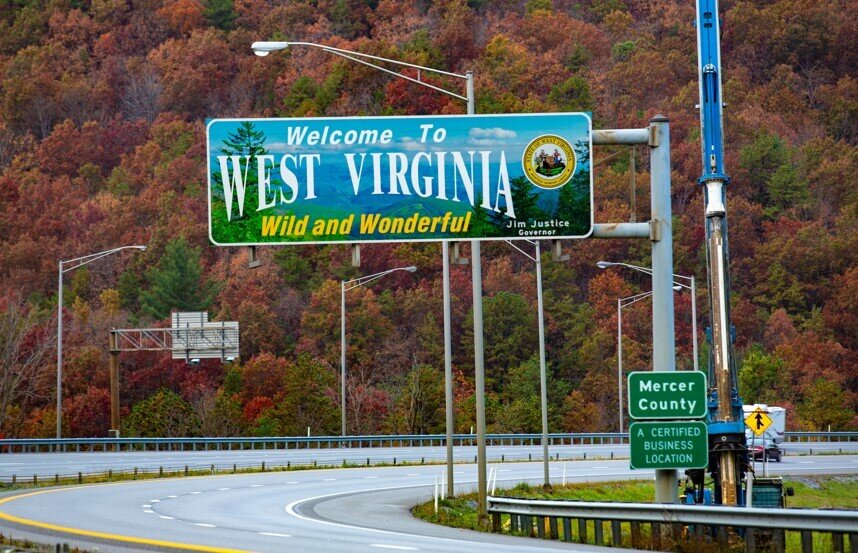
West Virginia
- Launch Date: Legalized 2019, launched July 2020
- Regulator: West Virginia Lottery
- Legal Games: Online slots, table games
- Operators: Tied to licensed land-based casinos (DraftKings, FanDuel, BetMGM, Fanatics, Caesars, and others)
- Age Requirement: 21+
- Location Requirement: In-state play only
- Key Limitation: Smaller platform selection than larger markets
- Source: West Virginia Lottery Interactive Wagering Act, W. Va. Code § 29-22E
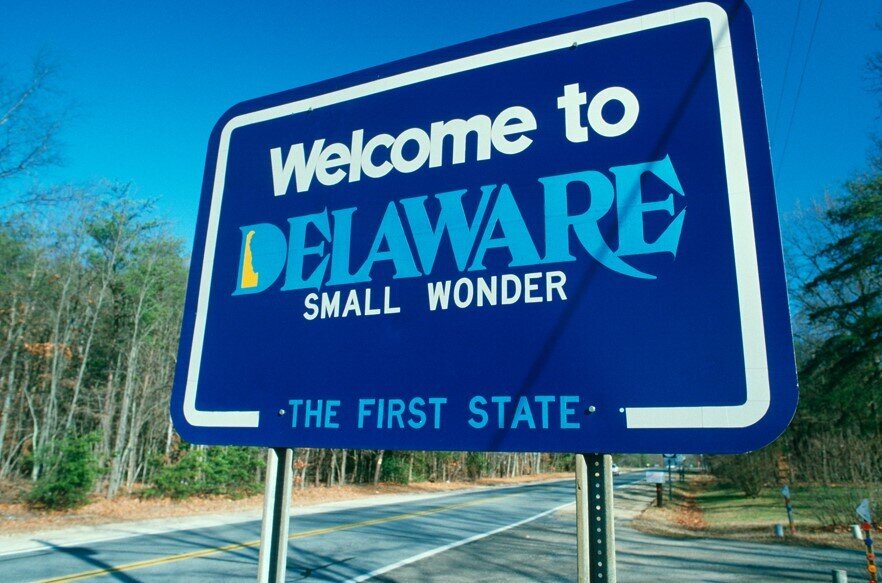
Delaware
- Launch Date: 2013
- Regulator: Delaware Lottery / Division of Gaming Enforcement
- Legal Games: Online slots, table games, poker
- Operators: Single operator statewide (currently powered by 888 Holdings)
- Age Requirement: 21+
- Location Requirement: In-state play only
- Key Limitation: Single-operator monopoly model, more limited game selection than multi-operator states
- Source: Delaware Gaming Competitiveness Act of 2012, 29 Del. C. Title 29, Ch. 48; Delaware Division of Gaming Enforcement
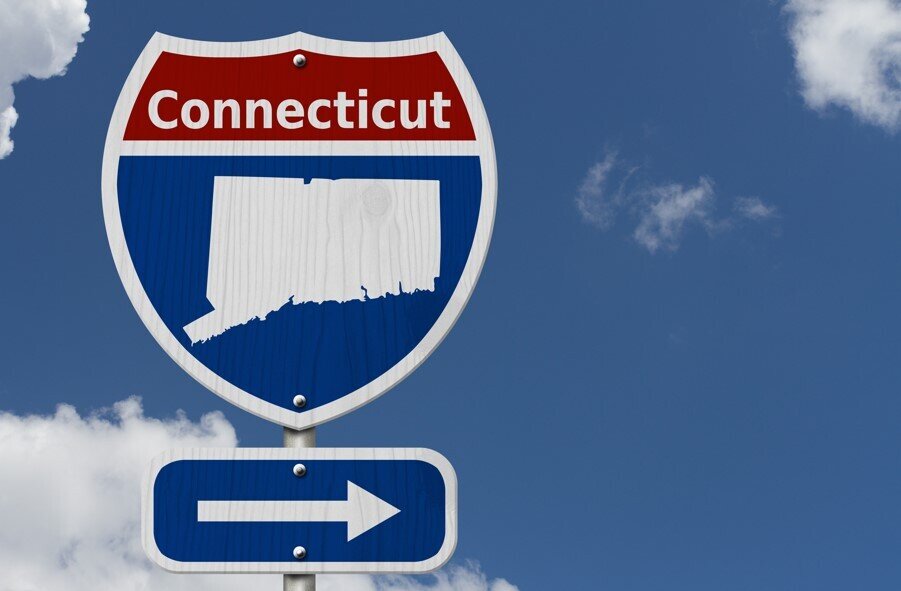
Connecticut
- Launch Date: 2021
- Regulator: Department of Consumer Protection
- Legal Games: Online slots, table games (no online poker)
- Operators: One platform per tribal nation, Mashantucket Pequot (DraftKings) and Mohegan (FanDuel)
- Age Requirement: 21+
- Location Requirement: In-state play only
- Key Limitation: No online poker; only two operators statewide
- Source: Connecticut General Statutes Title 12, Chapter 226 (Gaming Policy, Regulation and Revenue); CT Department of Consumer Protection gaming laws

Rhode Island
- Launch Date: March 2024
- Regulator: Rhode Island Lottery
- Legal Games: Online slots, live dealer table games
- Operators: Bally’s Corporation, exclusive statewide contract
- Age Requirement: 21+
- Location Requirement: In-state play only
- Key Limitation: Single-operator monopoly, no online poker, limited game catalog compared to other states
- Source: R.I. Gen. Laws Title 42, Chapter 42-61.2 (Video Lottery Games, Table Games and Sports Wagering)
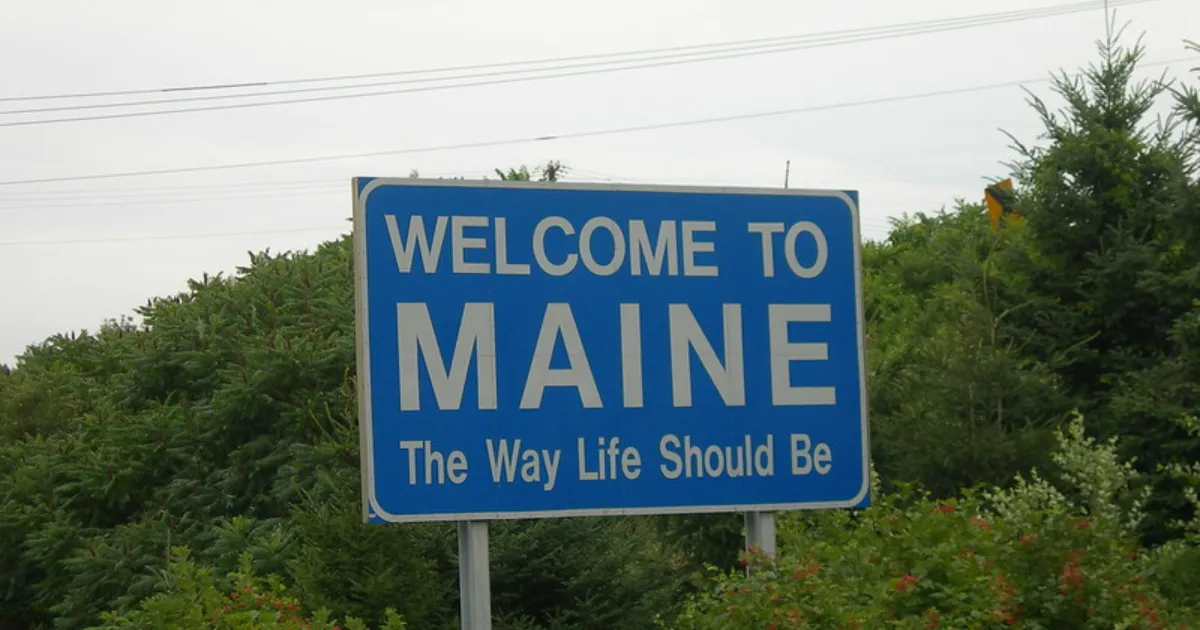
Maine
- Launch Date: Legalized via LD 1164, allowed to become law by Gov. Janet Mills in January 2026; takes effect July 29, 2026. Platform launches expected late 2026/early 2027 — legal but not yet live
- Regulator: Maine Gaming Control Unit (MGCU)
- Legal Games: Online casino (slots, table games), full game catalog pending launch
- Operators: Each of Maine’s four federally recognized tribes (Penobscot Nation, Passamaquoddy Tribe, Mi’kmaq Nation, Houlton Band of Maliseet Indians) may license one third-party commercial partner; Caesars has signed the first confirmed partnership with the Wabanaki Nations
- Age Requirement: 21+
- Location Requirement: In-state play only (standard for all iGaming states; MGCU regulations require geolocation)
- Key Limitation: Not yet operational. Any site offering Maine-facing online casino games right now is unregulated and outside MGCU oversight
- Source: LD 1164 coverage; Maine Title 8 gaming statutes
What About the Rest of the States?
Most states haven’t legalized online casinos, and for many, it’s not even on the radar. States like Utah, Hawaii, and Idaho maintain near-total gambling bans. Others allow land-based casinos or sports betting but continue to exclude online casino games.
That said, several states have active legislation, at different stages. New York held hearings on competing online casino bills in March 2026, but disagreement over the tax rate (proposals range from 25% to 50%) and how many licenses to issue has stalled progress. Illinois is furthest along: HB 1167 passed committee in late January 2026 and is awaiting a full House vote, and industry estimates put its potential tax revenue near $400 million annually.
Indiana’s HB 1432 passed the House Public Policy Committee but never got a hearing in Ways and Means, and Speaker Todd Huston confirmed in early 2026 that support wasn’t there to move it forward this session. Maryland’s SB 885 got a committee hearing but also didn’t advance before its deadline. None of the four has passed as of this writing.
As more states see the revenue potential from online sportsbooks, casino legalization could follow, especially in states that already have strong land-based industries.
What You Can Actually Play If Your State Isn’t Listed Above
Only 8 states have licensed, real money online casino. If you don’t live in one of them, you still have two real options.
Sweepstakes casinos run on a different legal model entirely. Players buy gold coins for entertainment play and receive sweeps coins as a bonus, then redeem sweeps coins for cash prizes. Because no direct purchase is required to win, sweepstakes casinos operate legally in most states, including many where licensed online casino games don’t exist yet.
Offshore casinos are a second option worth taking seriously. These operators aren’t licensed by a US state regulator, but many carry licenses from established international jurisdictions like Curacao or Malta, and typically offer a wider game catalog, better crypto support, and more generous bonus terms than state-licensed sites, since they aren’t bound by the same tax and licensing structure. Player protections run through the operator’s own licensing body instead of a US state regulator, so check payout speed and licensing jurisdiction directly on the site before depositing.
- What this means: No legal online casino in your state doesn’t mean no options, it means the options run through a different legal structure.
- For players: Sweepstakes casinos are the lower-commitment choice since no real money purchase is required to play, offshore casinos are the more full-featured choice if an international license doesn’t bother you.
- What to check next: Confirm licensing jurisdiction and payout timeframe directly on the operator’s site before depositing, on a sweepstakes platform or an offshore one.
Online Sports Betting: Where Is It Legal?
Unlike online casinos, sports betting has developed at a much faster pace across the US. Since the Supreme Court overturned the federal sports betting ban in 2018, over 30 states have launched some form of legal sports wagering. What makes this area tricky is how differently each state handles it: some only allow betting at retail sportsbooks, others permit mobile apps, and a few do both.
More states are introducing legislation every year, with a few like Missouri and Georgia hovering on the edge of legalization. Still, restrictions remain. Some states exclude college sports, limit in-play bets, or reserve mobile licenses for local operators. And in a few cases, betting is technically legal but not yet launched.
| State | Online | Retail | Both |
|---|---|---|---|
| Arizona | Yes | Yes | ✅ |
| Arkansas | Yes | Yes | ✅ |
| Colorado | Yes | Yes | ✅ |
| Connecticut | Yes | Yes | ✅ |
| Delaware | No | Yes | ❌ |
| Florida | Yes* | Yes* | ✅* |
| Illinois | Yes | Yes | ✅ |
| Indiana | Yes | Yes | ✅ |
| Iowa | Yes | Yes | ✅ |
| Kansas | Yes | Yes | ✅ |
| Kentucky | Yes | Yes | ✅ |
| Louisiana | Yes | Yes | ✅ |
| Maine | Yes | Yes | ✅ |
| Maryland | Yes | Yes | ✅ |
| Massachusetts | Yes | Yes | ✅ |
| Michigan | Yes | Yes | ✅ |
| Mississippi | No | Yes | ❌ |
| Missouri | Yes | Yes | ✅ |
| Montana | No | Yes | ❌ |
| Nebraska | No | Yes* | ❌ |
| Nevada | Yes | Yes | ✅ |
| New Hampshire | Yes | No | ❌ |
| New Jersey | Yes | Yes | ✅ |
| New Mexico | No | Yes* | ❌ |
| New York | Yes | Yes | ✅ |
| North Carolina | Yes | Yes | ✅ |
| North Dakota | No | Yes* | ❌ |
| Ohio | Yes | Yes | ✅ |
| Oregon | Yes | No | ✅ |
| Pennsylvania | Yes | Yes | ✅ |
| Rhode Island | Yes | Yes | ✅ |
| South Dakota | No | Yes | ❌ |
| Tennessee | Yes | No | ✅ |
| Vermont | Yes | No | ✅ |
| Virginia | Yes | Yes | ✅ |
| Washington D.C. | Yes | Yes | ✅ |
| West Virginia | Yes | Yes | ✅ |
| Wisconsin | No | Yes* | ❌ |
| Wyoming | Yes | No | ❌ |
The Future of Online Gambling in the US
Online casino remains the slowest-moving part of US gambling law: only 8 states have it live, compared to 39 states plus D.C. and Puerto Rico for sports betting. That gap is starting to close for a specific reason, states already collecting tax revenue from sports betting are now running the same math on online casino. Illinois estimates its pending bill could bring in close to $400 million a year, that’s the kind of number that moves a legislature.
States with retail casinos or mobile sportsbooks already running have a real head start, the licensing infrastructure and regulatory relationships already exist, so adding online casino is a policy decision more than a build-from-scratch project.
New York, Illinois, Indiana, and Maryland are furthest along on paper, but progress is uneven even among them. Illinois’ HB 1167 passed committee in January 2026 and is awaiting a full House vote. Indiana’s HB 1432 passed the House Public Policy Committee but never got a hearing in Ways and Means, and it’s dead for 2026. New York is stuck on tax rate, proposals range from 25% to 50%, and Maryland’s SB 885 didn’t advance past a committee hearing either. Nevada is a different case: despite being the gambling capital of the US, its 2013 law legalized online poker only, real-money online slots and table games like blackjack are still illegal there.
On the other end, Utah and Hawaii are the only two states that ban gambling outright, including the lottery, with no pending legislation to change that. Idaho is a different kind of no, its constitution blocks commercial casinos and online gambling specifically, but it allows a state lottery, tribal Class II gaming, and charitable bingo, so it’s restrictive rather than blanket-opposed.
The pattern across every pending state is the same: tax revenue from sports betting is what’s driving lawmakers to reconsider online casino, not a shift in public opinion. A fully unified national market probably isn’t coming soon, state-by-state is how this expands, if at all. Check the tables above for your own state’s current status, and if a bill is pending there, your state legislature’s website will show exactly where it stands and when the next vote is scheduled.



 Contact Taylor