Top Poker Sites
  Best Online Sports Betting Sites
  Claim the Best Online Gambling Bonuses
  The Best Slots Games to Play Online
  Reviews of Online Gambling Sites
 Does Playing Max Bet Increase Odds on Slots? The Truth Most Players Avoid




Affiliate Disclosure: Some links on Gambling Nerd are affiliate links. If you use them to sign up or deposit, we may earn a commission at no extra cost to you. These rewards help fund new guides, but they never influence our verdicts. Our recommendations are based on independent research and our own ranking system.
If you’ve played slots for more than five minutes, you’ve probably heard some version of this advice: “Bet max if you want better odds.” It feels like it should be true because bigger bets unlock bigger payouts, right?
In reality, slot outcomes don’t work that way. Your odds are driven by the game’s math (RNG, paytable, and bonus rules), not by whether you clicked $0.50 or $15.
That said, max bet can matter in a few very specific situations we’ll cover below. The tricky part is knowing when you’re paying for real upside versus when you’re just burning through your bankroll faster.
We’ll cover the pros and cons of max bets so you can decide if the extra risk is worth it.
The Mathematical Reality: How Slot Machine Odds Actually Work
Every casino player would love to boost their odds of winning. So it’s fair to ask: does betting max on a slot machine actually increase your chances?
This is where players get tripped up: odds and payouts aren’t the same thing.
- Odds changing would mean you land winning combinations more often because you bet bigger.
- Payout changing means the same winning combinations pay more because your stake is higher.
On most real money online slots, max bet is mainly about bigger payouts, not better odds. A simple example shows why:
| Bet Size | RTP | Hit Frequency | Odds of Winning | What Changes |
|---|---|---|---|---|
| Minimum Bet ($0.25) | 96.0% | 25% | 1 in 4 spins | Payout amount only |
| Medium Bet ($1.00) | 96.0% | 25% | 1 in 4 spins | Payout amount only |
| Maximum Bet ($5.00) | 96.0% | 25% | 1 in 4 spins | Payout amount only |
That’s the same 1:4 payout ratio, just scaled up. The point isn’t that the game suddenly becomes easier to beat. Max bet only changes the size of your wins, not how often you get them.
Slots run on a Random Number Generator (RNG), which selects outcomes based on the game’s programmed probabilities. When you press spin, the RNG doesn’t “see” a bigger bet and decide to give you more wins. Your wager mostly decides how much a win pays when it happens.
There are exceptions. Some games reserve certain jackpots, bonus unlocks, or payout tiers for max bet (or higher coin levels). We’ll cover those later. But in the average case, max betting just increases the cost per spin without improving your odds.
What Max Bet Actually Changes
Max betting can feel like it works better because the wins you do hit are bigger, and big wins stick in your memory a lot longer than the dozens of normal spins around them.
Here’s what actually changes when you bet max on a slot machine:

- Total dollars wagered per spin – You’re taking on more risk every time you hit spin.
- Potential payout amounts – The same winning combos pay more because your stake is higher.
- Bankroll depletion speed – Your money disappears faster at higher bet levels.
- Bonus feature eligibility – Some games reserve certain features, jackpots, or bet levels for higher wagers.
- Session length – With a fixed bankroll, you simply get fewer spins. Picture a $100 bankroll. At $0.25 per spin, you can get roughly 400 spins. At $5.00 per spin, you’re down to 20 spins. And if the slot has a 96% RTP, that percentage applies to both bet sizes.
How Random Number Generators Ensure Bet-Independent Outcomes
Slot outcomes come from a Random Number Generator (RNG) that’s running nonstop, producing number sequences thousands of times per second that map to reel positions.
When you hit Spin, the result is locked in at that instant, and your bet amount is handled separately to calculate what that result pays. Each spin is mathematically independent, so your previous results and whether you were betting small or max don’t influence what happens next.
Regulators and test labs verify this bet-independence to prevent manipulation, which is why changing your bet between spins doesn’t “reset” or improve the RNG sequence.
When Max Bet Actually Matters: The Critical Exceptions
There are situations where betting more affects what you’re eligible to win, or even what parts of the game you can access. It won’t improve the odds, but max bet is a rule baked into the paytable.

Progressive jackpots that scale with bet size
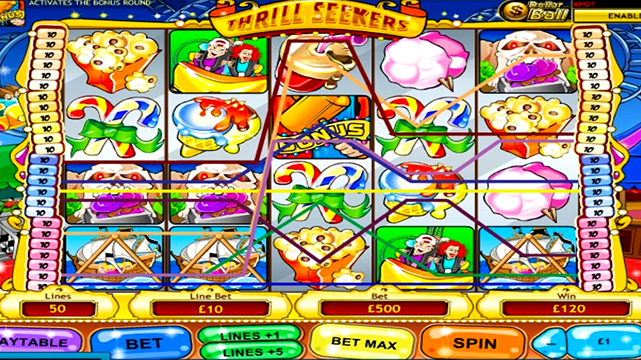
This is the big one. On many progressive jackpot slots, the top prize is either only available at max bet, or scales with your bet, meaning smaller bets qualify for a smaller jackpot tier.
So max betting doesn’t magically improve the base game odds, but it can determine whether you’re even in the running for the headline prize.
Bonus features that require higher bets
In most modern video slots, the chance of triggering a bonus (free spins, pick bonuses, etc.) is designed to be bet-independent. You’re typically just scaling the payout when the feature hits.
That said, some games add limitations like feature buy option that only appears above certain bet levels, or bet thresholds tied to specific side features or enhanced modes.
Bottom line: max bet rarely increases your bonus trigger rate, but it can affect what features you can use depending on the title.
Land-based slots: denomination and comps
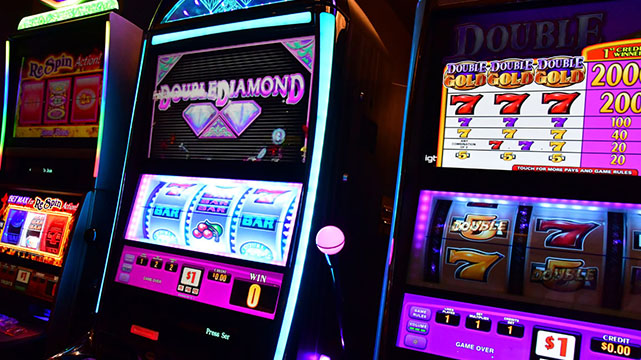
In brick-and-mortar casinos, “max bet” sometimes shows up indirectly. Higher denomination machines (like $0.25, $1, or $5 slots) may be configured with higher RTP than penny slots in that same casino, and bigger bets can earn comps faster.
Again, none of that guarantees you’ll win more often but it can change the long-term value of the game and the perks you get while playing.
Pros and Cons of Max Betting
Max betting can change what you get out of a session. Here are the main upsides and downsides.

Pros:
- Bigger potential payouts
- More comps and faster VIP progress
- Can unlock certain jackpots/features on specific slots
Cons:
- Drains your bankroll faster and shortens sessions
- Adds unnecessary risk in most games
- Makes bankroll management harder
- Can conflict with bonus terms (some promos cap max bets)
Should You Bet Max? A Decision Framework
Max betting isn’t automatically good or bad. It only makes sense in context. Your bankroll, your goal for the session, and the way the specific slot is built.
Most of the time, max bet just speeds everything up. Your bankroll lasts fewer spins, the swings feel sharper, and a good (or bad) stretch hits harder.
The only time max bet starts to look worth it is when the game clearly links it to something concrete, like a top jackpot tier or a feature you can’t access at lower bets.
As we’ve stated, the RNG doesn’t care how much you wager. So the decision comes down to tolerance and your own style of play. If a few max-bet losses in a row would push you into chasing or stress you out, max bet isn’t a smart fit for your session.
Summary
Like we’ve established, max bet makes payouts larger, not wins more likely except when rules require higher bets to qualify for a jackpot or bonus feature.
Check the paytable first, divide bankroll by bet to estimate session length, and pick a stake that fits your budget. Explore high-RTP slots with transparent paytables so your decisions match your style, not chasing odds that aren’t there.
FAQS
No, max betting doesn’t increase the probability of triggering bonus features. the RNG determines feature activation independently of bet size. However, some games restrict certain bonus tiers or multiplier levels to higher bet thresholds, which is feature access rather than improved odds.
Penny slots allow max betting with lower absolute dollar risk ($1.25-$2.50 typical max) compared to dollar slots ($5-$25+ max), making them more bankroll-friendly for players wanting full feature access. The RTP and odds remain proportional regardless of denomination. Choose based on your comfort with total dollars wagered per spin.
No, regulated casinos cannot alter RNG outcomes based on bet size. Regulations require consistent odds across all bet levels for fairness and testing compliance.
High RTP improves your expected return regardless of bet size, but max betting on high-RTP games still depletes bankrolls faster than minimum betting. Prioritize RTP in game selection, then choose bet size based on your bankroll and desired session length rather than assuming max bets improve already-favorable odds.



 Contact Taylor