The Top Poker Sites for Online Poker in 2025
  Best Online Sports Betting Sites
  Claim the Best Online Gambling Bonuses
  The Best Slots Games to Play Online
  Reviews of Online Gambling Sites
 Types of Gamblers: What’s Your Gambling Personality?








Ever wondered what type of gambler you are? Leading psychologists have found there’s more than one type of gambling personality.
Each personality comes with varying degrees of traits and risk-appetites. The intentions differ, too. Some players are pure professionals with strategy high up on their gambling agenda, while others are casual players, who prefer a relaxed game when socializing.
In our article, we go over the main traits of each personality type, so you know what to look out for in your own gambling habits.
Nerd Picks of the Month



-

-

-

-
+6 more



-
-
-
-
+9 more



-
-
-
-
+12 more



-
-
-
-
+7 more

-
-
-
-
+8 more

Types of Gamblers and Their Personalities
According to data gathered from medical publications, gambler types are pretty diverse. On one end of the spectrum, you have professional gamblers who play using strategy and discipline, while on the other end are gamblers more prone to addiction.
Through Robert L.Custer’s research, we’ve also identified 5 personalities sitting in between these two opposing types. This brings the total to 7 gambling personalities that we’ll break down below.
The Casual Gambler

- Traits: Gambles for fun, entertainment, or social interaction.
- Betting Frequency: Low, event-driven.
- Psychology: Sees gambling as recreation, similar to going to the movies or playing video games. They can usually stop when they want to and set limits without distress.
- Risk Appetite: Low to moderate.
- Personal Risk Level: Low. They rarely develop problems unless life
stressors shift their relationship with gambling.
The Relief Gambler
The relief gambler usually plays to fill an emotional need. They use gambling as a way to escape the day-to-day mundanities and stressors of life.
Gambling can offer them a therapeutic experience, which relieves unwanted feelings of boredom, stress, or even loneliness.
It’s true that due to their heightened emotional state, relief gamblers can tend to have poorer judgments, which may lead to losing money in shorter periods of time.
However, they do still maintain control over their gambling and can step away if they feel they’ve played too much.

- Traits: Gambles to relieve unwanted feelings of boredom, stress, or loneliness.
- Betting Frequency: Moderate, triggered by emotional states or life stressors.
- Psychology: Views gambling as emotional regulation or self-medication. They seek the temporary escape and mood alteration that gambling provides but retain awareness of their limits.
- Risk Appetite: Generally moderate, it can turn up a notch during emotional episodes.
- Personal Risk Level: Moderate. Even though their emotion-driven gambling can make them more vulnerable to developing problematic patterns, they can still maintain control.
The Competitive Gambler
This type of gambler likes to play on adrenaline and has a strong drive to win. Control is crucial to their game strategies and evident in how they play and want to be perceived by other players.
They avoid distractions to stay level-headed during games and prefer technical games where they can influence outcomes through skill and strategy.
They aren’t quite professional players though, as they also chase the adrenaline of beating other players, which can lead to impulsive behaviors when emotions run high.

- Traits: Seeks adrenaline and control, driven by competitive desire to win and be perceived as skilled by other players.
- Betting Frequency: Moderate to high, focused on games requiring skill and strategy.
- Psychology: Values control and technical mastery but is also motivated by the thrill of competition. Can become emotionally invested in outcomes, leading to impulsive decisions during high-stakes moments.
- Risk Appetite: Moderate to high, especially when confidence in their skill is high.
- Personal Risk Level: Moderate. Their emotional investment in winning and need for control can lead to problematic gambling if losses challenge their self-image or if they chase losses to prove their skill.
The Compulsive Gambler
As expected, this type of gambler has an uncontrollable urge to sit at the felt table, in front of spinning reels, or at the bookie.
Their impulses can lead to big losses, not because they necessarily chase high-stakes games, but because they usually gamble small and frequently.
Not to mention with an added heightened emotional state from the excitement of a potential win.
It’s common for compulsive gamblers to develop serious addiction problems as they are susceptible to getting trapped in unwanted cycles due to impaired decision-making skills.

- Traits: Has uncontrollable urges to gamble frequently, chasing dopamine hits from potential wins rather than actual monetary gains.
- Betting Frequency: High frequency with small stakes, leading to cumulative losses over time.
- Psychology: Driven by neurochemical reward-seeking behavior in a heightened emotional state. Impaired decision-making skills make it difficult to recognize or break problematic patterns.
- Risk Appetite: High frequency.
- Personal Risk Level: High. Highly susceptible to developing serious addiction problems due to compulsive behavior patterns and inability to control gambling urges, often leading to trapped cycles of problematic gambling.
The Professional Gambler
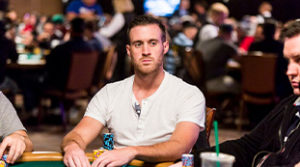
The professional gambler usually takes part in high-stakes games. This approach is justified by their ability to use skill and high levels of discipline when playing.
They’ll choose one particular game as their main bread and butter. This usually falls between either poker or a particular sport like hockey or horse racing.
To win in these games takes skill over pure luck, relying on clever calculations, high levels of patience, and discipline.
Professional gamblers plan using long-term thinking rather than chasing instant gratification, which prevents them from spiraling into the self-destructive behaviors that compulsive gamblers are prone to.
- Traits: Views gambling as a profession, relies on skill and discipline rather than luck, focuses on one specialized game or sport.
- Betting Frequency: Calculated and strategic, based on favorable odds and opportunities rather than impulse.
- Psychology: Uses long-term thinking and analytical approach. Treats gambling as work requiring patience, discipline, and emotional control rather than seeking instant gratification.
- Risk Appetite: Moderate, carefully calculated based on skill advantage and bankroll management.
- Personal Risk Level: Low. Their disciplined, skill-based approach and long-term perspective help prevent the self-destructive behaviors common in other gambling types.
The Antisocial Gambler
Antisocial gamblers also typically make a living out of gambling. However, unlike professional gamblers, who operate within legal grounds, antisocial gamblers take the illegal route.
These gamblers will do anything to win. They’ll rig games, manipulate other players, and generally disregard rules. It’s common for them to exhibit antisocial behaviors outside of the gambling world, like stealing to fund their games.
Additionally, they don’t feel remorse or empathy, so it’s very difficult to try and get them out of the cycle on the basis of moral grounds.

- Traits: Operates through illegal means including rigging games, manipulating players, and disregarding rules. Lacks empathy and remorse, often exhibiting antisocial behaviors outside gambling.
- Betting Frequency: Variable, dependent on opportunities for manipulation or illegal advantage rather than scheduled play.
- Psychology: Willing to do anything to win without moral constraints. Views other players as targets to exploit rather than competitors. Resistant to intervention due to lack of empathy and remorse.
- Risk Appetite: High, but mitigated by illegal advantages and manipulation tactics.
- Personal Risk Level: Very High. Their illegal activities extend beyond gambling (such as theft to fund games) and their antisocial tendencies make them dangerous to other players and resistant to rehabilitation.
The Binge Gambler
The binge gambler operates in cycles of intense gambling activity followed by periods of complete abstinence. Unlike other gambling types who maintain consistent patterns, binge gamblers can go weeks or months without placing a bet.
However, when they gamble, they lose control and play for extended periods, often until their money runs out or they’re forced to stop.
During binges, they exhibit behaviors similar to compulsive gamblers, but their ability to abstain for long periods distinguishes them from truly compulsive players.
The unpredictable nature makes it difficult to recognize patterns or seek help, as they often rationalize their behavior during abstinent periods.

- Traits: Gambles in intense episodes followed by periods of complete abstinence, often triggered by specific events or emotional states.
- Betting Frequency: Sporadic but intense. Long periods of no gambling followed by extended sessions.
- Psychology: Can maintain control during abstinent periods but loses self-regulation during gambling episodes. Often rationalizes behavior between binges, making problem recognition difficult.
- Risk Appetite: Very high during gambling episodes and zero during abstinent periods.
- Personal Risk Level: High. The cyclical nature makes it difficult to recognize problematic patterns, and intense gambling sessions can lead to significant financial and personal consequences.
Comparing Types of Gamblers
The seven types of gamblers all present different types of traits and behaviors, each with varying degrees of risk. Can you spot which one resembles your type of playing behavior?
| Gambler | Risk Tolerance | Why They Gamble | Should They Seek Help? |
|---|---|---|---|
| The Casual Gambler | Low | For fun and socializing | No |
| The Relief Gambler | Low-Medium | To relieve unwanted feelings of boredom or isolation | No, unless it turns into a high priority coping mechanism. |
| The Competitive Gambler | Medium-High | To feel powerful and beat other players | No |
| The Compulsive Gambler | High | They have an uncontrollable tendency to gamble | Yes, absolutely. |
| The Professional Gambler | Low | It’s their profession, they play the long-game and strategize accordingly | No |
| The Antisocial | Medium-High | They gamble full time but through illicit means. | Yes, but difficult due to lack of empathy. |
| The Binge Gambler | High | Based on situational-triggers – they have periods of excessive gambling followed by abstinence. | Yes. |
3-Minute Self Quiz
You can find out which type of gambler you are by completing our self-test. All you have to do is rate each statement 1–5 (1 = strongly disagree, 5 = strongly agree).
Then add the scores in each bracket. You’ll find the scoring below the test.
- I bet because I love the rush. (Action/Excitement)
- Gambling helps me switch off unpleasant feelings. (Escape/Coping)
- I mostly gamble with friends/for social events. (Social)
- I choose bets because the odds/promos give me value. (Value/Skill)
- I set a loss limit and stick to it. (Discipline)
- After losing, I raise my stakes to get even. (Chasing/Impulsivity)
- Long shots/parlays/volatile slots are my favorite. (Action/Excitement)
- I notice my mood improves while I’m playing, then dips after. (Escape/Coping)
- I rarely gamble outside special occasions. (Social)
- I check odds/edge or track results before I play. (Value/Skill)
- Rituals/lucky numbers/systems influence my choices. (Superstition/Control)
- If I’m upset or frustrated, I bet faster or keep going. (Chasing/Impulsivity)
Scoring & first-look profile:
- Action/Thrill-Seeker = Q1+Q7 ≥ 8 and highest of all clusters → high frequency, high risk, watch tilt.
- Escape/Relief = Q2+Q8 ≥ 8 and highest → bet when stressed; set strict time/deposit limits.
- Social/Entertainment = Q3+Q9 ≥ 8 and highest → low risk if you keep it event-based.
- Value/Skill = Q4+Q10 ≥ 8 and Q5 ≥ 4 → planner/edges matter; track ROI and variance.
- Superstitious/System Player = Q11 ≥ 4 (and not Value/Skill-dominant) → beware illusion of control.
- Impulsive/Chaser flag = Q6+Q12 ≥ 7 → strong risk of harmful chasing; pre-commit limits/cool-offs.
Responsible Gambling
Now that you’ve taken the self-quiz and see your results, what do you think? Are your gambling habits only for socialization or entertainment, or are you impulsive or a thrill-chaser?
If you’re concerned about the results of your quiz, don’t worry; there are resources available to learn more about problem gambling and responsible behaviors. Check out some of the resources we’ve compiled:
Summary
Our article has equipped you with the insights needed to identify your gambling personality. Some personalities carry minimal risk, while others present significant dangers that demand your attention.
Understanding your gambling patterns isn’t optional, it’s essential to maintain control. Always gamble responsibly and recognize when it’s time to seek help if needed.


 Contact Isaac