Top Poker Sites
  Best Online Sports Betting Sites
  Claim the Best Online Gambling Bonuses
  The Best Slots Games to Play Online
  Reviews of Online Gambling Sites
 New Bill Could Ban Polymarket and Kalshi Sports Markets Nationwide



Affiliate Disclosure: Some links on Gambling Nerd are affiliate links. If you use them to sign up or deposit, we may earn a commission at no extra cost to you. These rewards help fund new guides, but they never influence our verdicts. Our recommendations are based on independent research and our own ranking system.
Quick Glance at the Facts
- Rep. Steven Horsford and Rep. Mark Amodei of Nevada introduced H.R. 9856, the Prediction Markets are Gambling Act, on July 23, 2026. The bill targets sports and casino-style event contracts on federally registered exchanges.
- Nevada Attorney General Aaron Ford announced on June 3 that a judge said he would grant a preliminary injunction against QCX LLC (Polymarket), with a written order still forthcoming, marking the state’s third such action against a prediction market operator after similar rulings against Kalshi and Coinbase.
- The CTFC filed an amicus brief on February 17 claiming exclusive federal jurisdiction over prediction markets, a position that directly conflicts with what this bill would do.
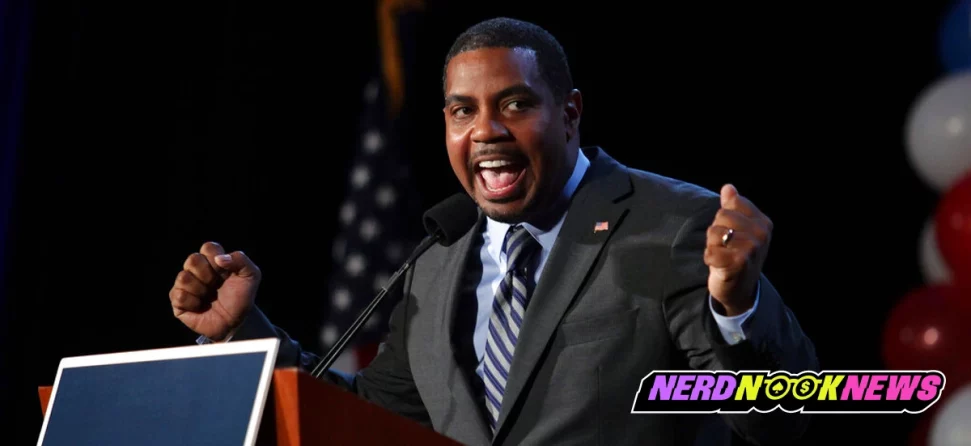
Reps. Steven Horsford and Mark Amodei of Nevada filed the Prediction Markets Are Gambling Act, H.R. 9856, on July 23, 2026.
It’s a bipartisan bill that would cut operators like Polymarket and Kalshi off from offering these products to U.S. users everywhere, not just in states like Nevada that have already moved against them on their own.
What the Prediction Markets Are Gambling Act Would Actually Do
The bill amends the Commodity Exchange Act to prohibit sports and casino-style event contracts on federally registered exchanges. Operators currently listing those contract on CTFC-registered platforms would be legally barred from doing so under federal law.
It also includes a rule of construction that explicitly preserves state and tribal authority over gaming. That detail matters more than it might look at first glance. Nevada has already argued that prediction market contracts fall under its Gaming Control Act, which requires licensing for any business where gaming is conducted or gaming devices are operated. This bill would write that state-level position into federal law instead of leaving it for courts to keep sorting out on a case-by-case basis.
A companion bill, S. 4160, is already sitting in the Senate, introduced back in March by Sens. Adam Schiff, John Curtis, and Catherine Cortez Masto, and referred to the Senate Committee on Agriculture, Nutrition, and Forestry.
So this isn’t really two chambers moving in lockstep. The Senate version has been parked in committee for four months with no hearing scheduled, and Horsford and Amodei’s House bill is only now catching up to it. How fast, or whether, the Senate committee acts on its version is arguably the bigger signal of whether this has any momentum.
What Nevada Has Done and Where CTFC Stands
Nevada didn’t wait for Congress. The Nevada Gaming Control Board issued an industry notice warning that offering sports events contracts, or certain other events contracts, in Nevada could subject a licensee to discipline under the Gaming Control Act. Then, the state’s Attorney General went further.
AG Ford’s June 3 announcement confirmed the ruling covers QCX LLC, the entity doing business as Polymarket in Nevada. Once the written order is finalized, Polymarket won’t be allowed to offer sports, election, or entertainment-related event contracts to Nevada users while the state’s enforcement action continues, joining Kalshi and Coinbase, both already enjoined in the same way.
The CTFC sees this very differently. In a February amicus brief filed in the Ninth Circuit, the agency argued it holds exclusive jurisdiction over U.S. commodity derivatives markets, prediction markets included, and that state efforts to regulate or ban these contracts as gambling are preempted entirely. That’s a direct collision with what Nevada has done and what this bill would lock in. Passing it would effectively settle the fight by legislating the CTFC’s jurisdictional argument out of existence.
What Comes Next for This Bill
H.R. 9856 still needs to clear the House Agriculture Committee before it can reach a floor vote, and as of its July 23 introduction, no hearing has been scheduled in either chamber. S. 4160 remains with the Senate Agriculture, Nutrition, and Forestry Committee, also without a hearing set.
If either version advances, Congress would effectively be overruling the CFTC’s own reading of its authority, the same claim the agency just made in court in February. Worth watching for any public response from the CFTC or the White House on whether the administration backs this approach or sides with the agency.
What This Means
If you’re currently trading sports, election, or entertainment event contracts on a federally registered exchange, this bill is the most direct federal threat to that access these markets have faced. Nevada users are already locked out by the Polymarket injunction, and if this bill clears both chambers, that same restriction could extend to every state at once. State-licensed sportsbooks aren’t part of this fight at all, this bill is aimed specifically at the prediction market product, not at operators already licensed under state sports betting law.
- For players: Don’t assume this changes anything overnight, there’s no fixed timeline while both versions sit in committee.
- What to check next: If you have money tied up in prediction market contracts, it’s worth getting familiar with what licensed sportsbooks in your state already offer as a fallback, since that product isn’t going anywhere regardless of how this bill turns out.
GamblingNerd Take
Prediction markets have been operating in a gray zone for years, and this bill, paired with Nevada’s injunctions and the CFTC’s own court fight over its authority, is the clearest sign yet that the gray zone is closing in from multiple directions at once.
The part worth watching closest isn’t actually the new House bill, it’s whether the Senate committee finally moves on the version that’s been sitting since March. A hearing there would tell you far more about whether this becomes law than another press release out of the House.
This is also playing out right alongside the insider trading fallout hitting Kalshi and Polymarket this summer, so Congress has more than one reason to act right now. If you’re active on these platforms, that’s two separate pressure campaigns converging on the same industry at the same time, worth paying attention to regardless of which one moves first.



 Contact Taylor